What to Do With Your Kid's Stuff After High School Graduation
High school graduation is such a strange, beautiful, bittersweet moment. You've spent years cheering them on, and now here you are: proud, a little emotional, and standing in the doorway of their bedroom wondering... what exactly do I do with all of this stuff?
First of all, take a breath. This is a big life transition, and it's okay if it feels a little overwhelming. And thankfully, you don't have to figure it all out overnight. With a little bit of a plan, this process can actually feel really good, like a fresh chapter opening up, for both of you.
Step 1: Do This Together Before They Leave
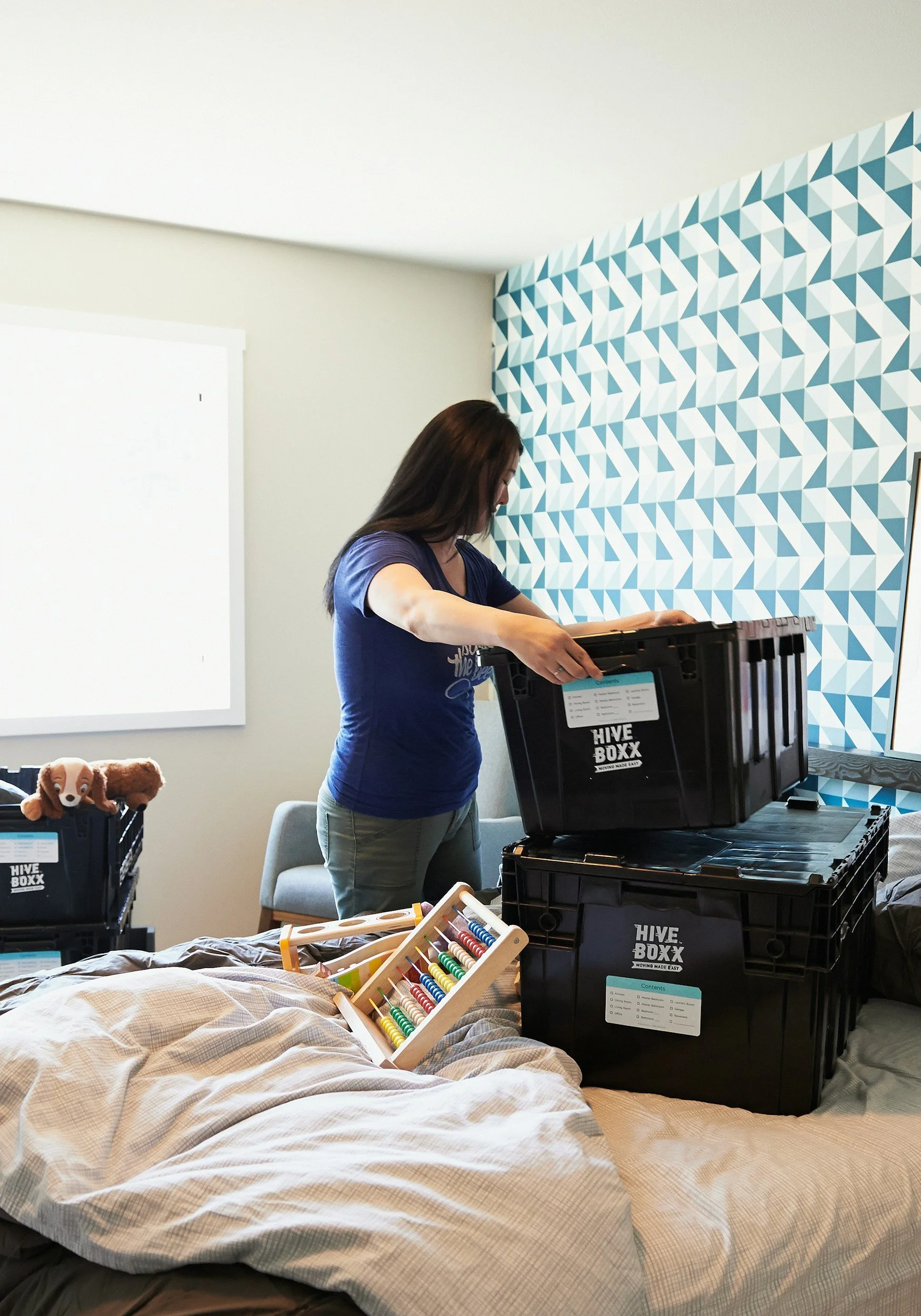
Before your graduate heads out the door, carve out some time to go through their room together. I know it sounds simple, but this step makes everything else so much easier. It also helps your child take ownership of their stuff rather than leaving it all behind for you to deal with.
Walk through every area of their room and ask them to sort things into three piles:
Take with me: things they'll need and use in their new space
Store at home: meaningful items they're not ready to part with but don't need right now
Let go: clothes that don't fit, old school papers, things they've outgrown.
This is also a great time to make a list of what they'll need for college or their new place. You might be surprised how many things they already own, which means less shopping and less spending for you.
Step 2: Start Packing Early (Your Future Self Will Thank You)
Once you know what's going and what's staying, start boxing things up early. Moving week is stressful enough without scrambling to sort through years of accumulated stuff at the last minute.
Label boxes clearly so you're not digging through them a year from now trying to remember what's inside. A simple system (name + contents + year) goes a long way!
Step 3: Decide What to Do With the Memorabilia
I know… this is often the hardest part. Trophies, certificates, old artwork, stuffed animals, yearbooks… these things carry a lot of emotion, and there's no one-size-fits-all answer for what to do with them.
Here are a few options depending on what feels right for your family:
Leave it as-is (for now)
If you're not ready to change their room, that's completely okay. There's no rush. Give yourself permission to take your time.
Create a dedicated memory box
Choose a sturdy, lidded bin to store the most meaningful keepsakes. This keeps things contained and protected without having to display everything or throw anything away. As much as we would all love to keep multiple boxes or bins, if you’re limited on space, make note of that and decide on an amount that works for you. If it doesn't fit in those boxes, it's a sign to be a little more selective.
Digitize what you can
Old photos, drawings, report cards, newspaper clippings are great places to start! So much of what we hold on to out of love can actually be scanned and saved digitally. A simple photo scanner makes this surprisingly easy, and a digital picture frame is a beautiful way to display rotating memories without taking up any physical space. You get to keep everything that matters without the clutter.
Display what matters most
If there are a few items that truly feel special (like a favorite trophy, a framed photo, something they made) keep those out and let them have a place in your home, even if the rest is packed away.
The goal isn't to get rid of your child's entire childhood. It's to be intentional about what you keep and how you keep it, so those memories are honored and not just buried in a closet.
Step 4: Ideas for Repurposing Their Room
When you're ready – and only when you're ready – transforming your child's old bedroom can feel surprisingly freeing. Here are some ideas for what that room could become:
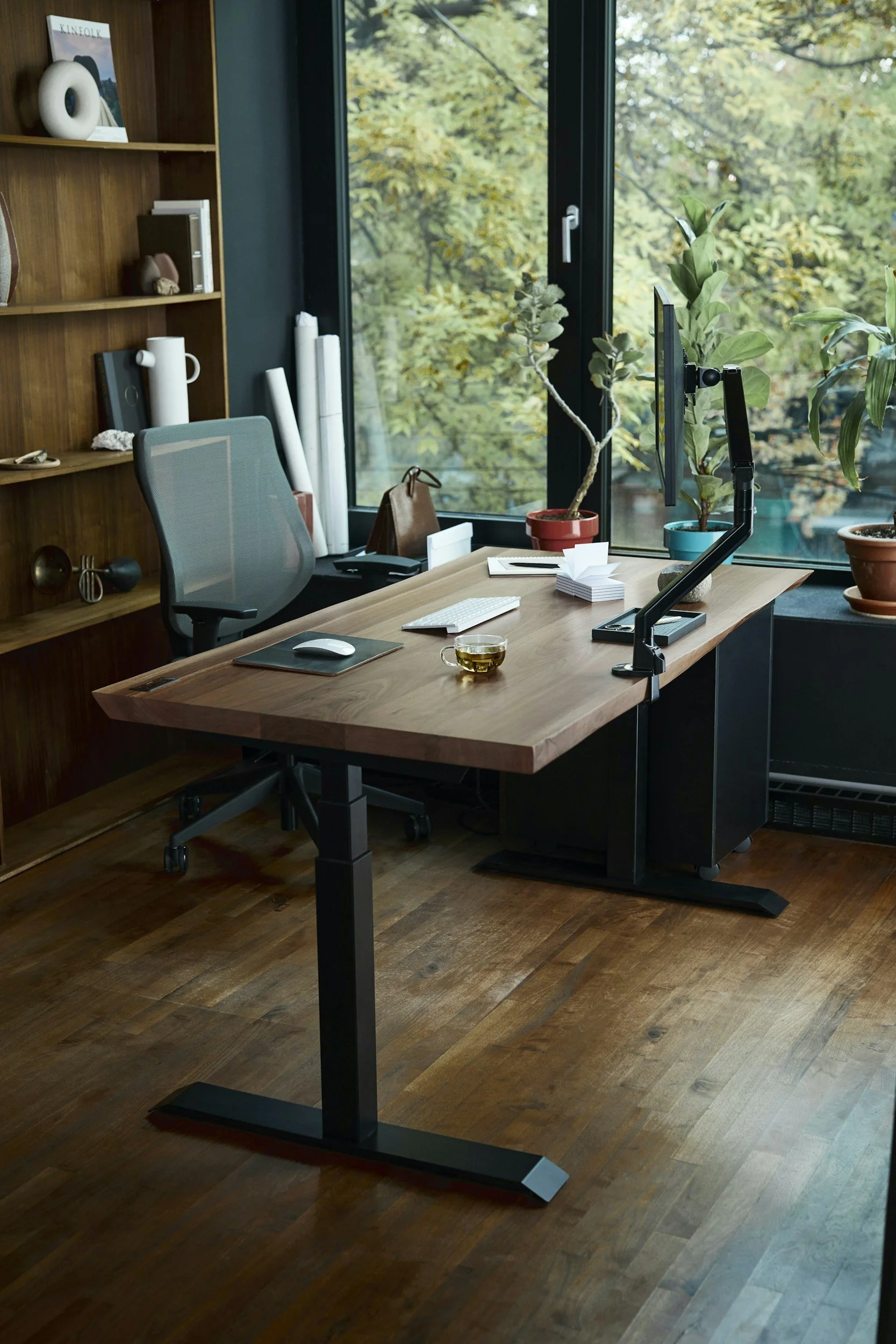
A home office
If you've been working from the kitchen table or a makeshift desk in the corner of your bedroom, this could be an opportunity to make that home office you’ve been thinking about. A dedicated workspace can change how productive and calm you feel during the workday.
A guest room
This is one of the most popular options, and for good reason. It means your child (and other loved ones) always have a comfortable place to come home to, which is a beautiful thing.
A hobby or creative room
Have you always wanted a space for crafting, reading, painting, or yoga? Claim a room that's just for you for once.
A workout space
A few simple pieces of equipment and a yoga mat can turn a spare bedroom into a home gym.
Whatever you decide, you don't have to rush into it. Some parents transform the room within a few months; others wait a year or two. Both are completely fine. When the time feels right, you'll know.
A Note for Parents With ADHD: This Transition May Feel Extra Hard
I want to take a moment to speak directly to those of you who are neurodivergent (especially those with ADHD) because this kind of transition can hit a little differently.
Decluttering a space that's loaded with emotional meaning is genuinely hard for most people. But if you have ADHD, you may also be dealing with decision fatigue, difficulty letting go of objects tied to memories, a strong sense of emotional attachment to things, and an "out of sight, out of mind" relationship with storage that makes organizing feel pointless.
If that resonates, here are a few things that help you:
Work in short sessions
Thirty minutes at a time is enough. Set a timer, work until it goes off, and then stop. Be consistent and do a little every day.
Make decisions with your child present, not alone
Having your child there to say "yes, I want that" or "no, you can toss it" removes a huge amount of the decision burden from you.
Use clear bins for storage
When things are visible, they're easier to manage. Clear, labeled containers mean you won't forget what's stored and won't have to dig through mystery boxes later.
Don't organize and declutter at the same time
Declutter first, pull everything out and decide what stays. Then organize what's left. Trying to do both simultaneously is a recipe for overwhelm.
Step 5: Honoring the Emotional Weight of This Season
Can I be honest with you for a second? Sorting through your child's room isn't really just about the stuff. It's about the chapter of life that the stuff represents. And that's worth acknowledging.
The graduation cap on the shelf, the stack of soccer medals, the drawing they made in third grade that you couldn't bring yourself to throw away… those things are little pieces of time. Of them. Of you as a parent. It makes complete sense that letting go of any of it, even just reorganizing it, stirs something deep.
What I've seen with so many of my clients is that once they give themselves permission to feel that, rather than pushing through it as fast as possible, the organizing process gets easier. You can hold something, appreciate it, and then make a clear decision about it. The overwhelm tends to come when we try to bypass the emotion and just power through.
So be kind to yourself through this. Put on a good playlist, grab a cup of coffee, and take it one drawer at a time. You raised a whole human who is now ready to go out into the world! That's something worth sitting with.
Step 6: Give Yourself Grace Through the Transition
I tell my clients on a regular basis that you don't have to do everything at once. If you open that closet and feel overwhelmed, close it and come back later. Organization works best when it's done at a pace that feels manageable, not in a panic or a rush.
There's no timeline you're supposed to be on. Some families clear out the room over a weekend and others chip away at it over several months. What matters is that when you're done, the space feels good and the memories feel honored.
If you're finding it hard to know where to start, or if the whole thing just feels like too much, that's exactly what I'm here for.
Ready for More Support?
If this season of life is bringing up a bigger desire to get your whole home organized and feeling like you again, the Clutter-Free Home Academy is a wonderful place to start. It's a step-by-step program designed to help you go from overwhelmed to organized at your own pace, in your own home.
And if you'd love some personalized, one-on-one help, whether you're here in Portland, Oregon or anywhere in the world, I offer both in-home organization sessions and virtual organization sessions too. Schedule a Zoom consultation today!
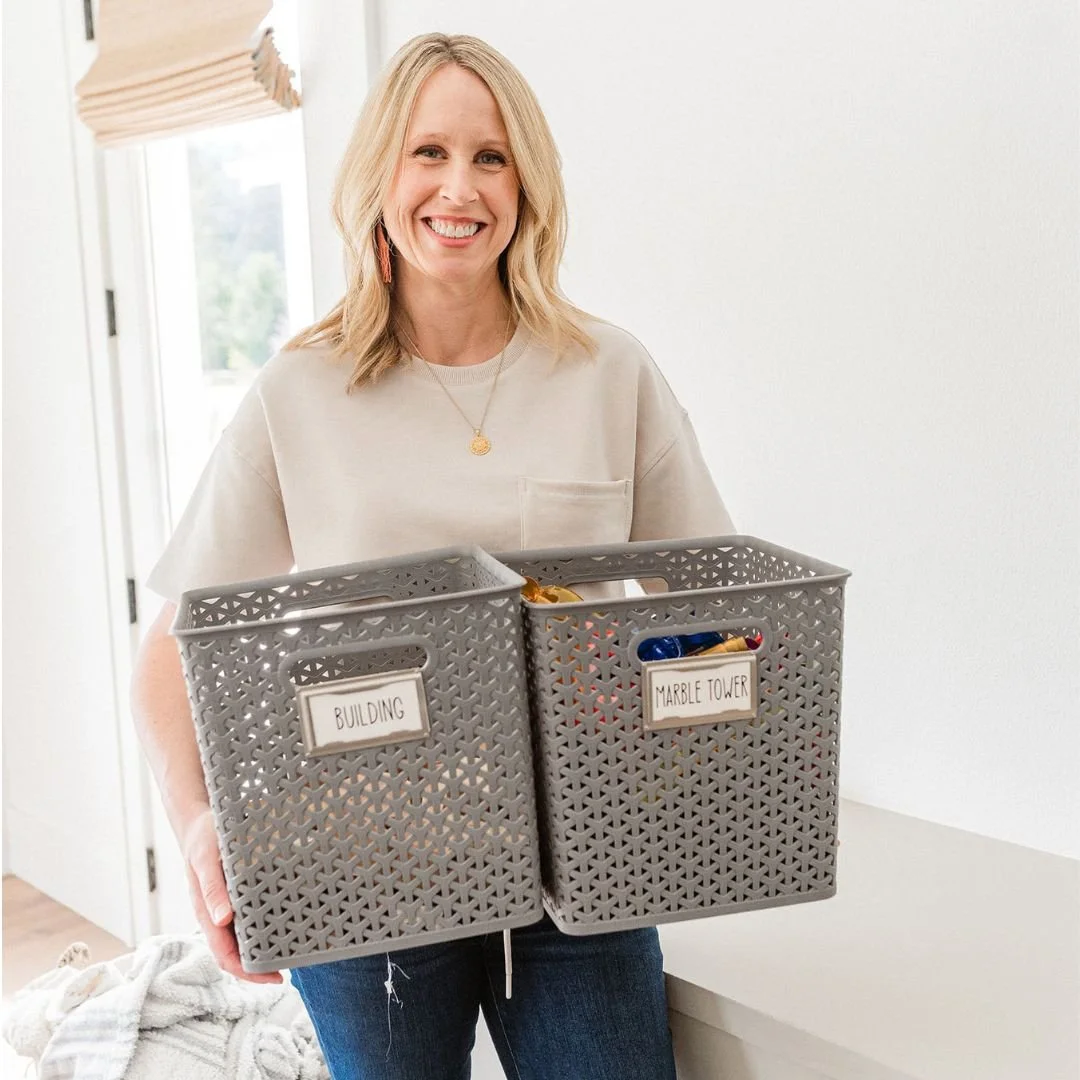
I'm Sarah, an occupational therapist and home organizer with Balanced Home Organization in Portland, Oregon.
I specialize in helping neurodivergent adults and families create organizing systems that work with their brains.
I offer virtual organizing sessions available anywhere, and in-person sessions in the Portland metro area.