Recently, I was working with a client on organizing their kitchen. As we pulled items out of the pantry, fridge, and freezer and grouped similar foods together, we could finally see everything in one place. To my client’s surprise, there was enough food to last well over a month without a trip to the grocery store, aside from fresh fruits, vegetables, and other perishables.
I see this often. As an occupational therapist with 23 years of clinical experience and a professional home organizer for more than 7 years, I've helped hundreds of clients in Portland, Oregon, and across the United States through virtual sessions create organizing systems that fit the way they live. One of the most common things I find is that people already own much of what they need, but they can't always see it.
During the session, I suggested that my client consider a No Spend November, and it’s something I'd love for you to try this month, too. The idea is simple: shop from your own home first. Before buying more things, take a look at what you already have. This one habit can help you clear out clutter and save money at the same time. Plus, as the holidays are getting closer, No Spend November can be an economical way to stash a little bit of cash and start the process of decluttering your home before the rush of the season.
Here’s Why We End Up With More Than We Need
As an occupational therapist, I pay close attention to how people move through their daily routines. When I see duplicates in a home, there's usually a simple reason why it happens: it's hard to keep track of what you have when you can't see it.
Cans get pushed to the back of the pantry. Extra lotion and shampoo get tucked under the bathroom sink. A sweater gets folded into a drawer and forgotten. And then, when it's time to make a grocery list or run to the store, there's no easy way to check what's already at home, so naturally, we buy another one.
Over time, those extra items fill shelves and crowd cabinets until there's little room left for the things you use every day. Your home starts to feel cluttered, and the money spent on doubles quickly (and quietly) adds up in the background.
What Is No Spend November?
No Spend November is a month-long pause on nonessential shopping, where you use the food, toiletries, clothing, and other items you already have at home before buying more.
To me, November feels like a natural time to give it a try. The holidays bring gifts, decorations, and extra groceries into our homes… and they also bring extra expenses. Using what you already have this month makes room for what's coming and helps you set aside some holiday cash.
I like to think of No Spend November as a set of steps to consider, rather than a strict set of rules. You can focus on one area of your home (or several!), and you can adapt each step to fit your household. The goal is to become more aware of what you own so that you buy with intention.
How to Shop Your Own Home First
1. Start with one space
Choose an area where things tend to pile up, such as your pantry, a bathroom cabinet, or a clothing drawer. Starting small keeps the process manageable and gives you a clear picture of what you have before you move on.

2. Group like items together
Pull everything out and sort it into categories. In the pantry, that might be pasta, canned goods, snacks, and baking supplies. In the bathroom, gather lotions, shampoos, skin care, and makeup, and don’t forget to check expiration dates as you go, since many of these products have a limited shelf life. In your closet or drawers, lay similar pieces side by side. Grouping makes duplicates easy to spot, and many of my clients are surprised by how much they find.
3. Make what you have easy to see
Once you know what you have, store it where you'll notice it. Clear bins, labels, and tiered shelf risers help in the pantry. A single backup bin for extra toiletries means you have one place to check before buying more. Think about how you naturally use the space. If you write your grocery list while standing in the kitchen, set up the pantry so you can see most of it at a glance.
4. Check your home before you write your list
Before you head to the store or place an online order, look through the space first. Plan a few meals around what's in your pantry and freezer. Finish the shampoo you have before opening a new one. Before buying an outfit for a holiday gathering, see what's already in your closet.
5. Let go of what you won't use
As you sort, you may find items you don't like or won't use. Unexpired, unopened food can go to a local food pantry, and many communities run holiday food drives in November. Some shelters accept unopened toiletries, so check with local organizations about what they need. Passing these items along frees up space and helps someone else!
6. Keep a running list of true needs
When something runs out, add it to a list instead of buying it right away. Before you shop, compare the list with what you have at home. Over time, this helps you separate the things you need from the things you're buying out of habit.
It’s a Process You Can Keep Using
The steps above are the same ones I teach my clients: group like items, make them easy to see, and check what you have before you buy more. Once you've practiced them in one space, you can use this process anywhere in your home, long after November ends.
Every household is different, so the system that works for you should fit the way you cook, shop, and get ready each day. That's why I create personalized organizing systems based on how each client naturally lives, and why I focus on teaching the process along the way.
How Virtual Organization Sessions Work and Support The Process
Virtual organization sessions are a great fit for this kind of project, especially if you live outside the Portland area or prefer working from home. We meet over Zoom, and you bring me with you from space to space using your phone, tablet, or computer. You handle the hands-on work while I guide you through each step, ask questions about your routines, and help you make confident decisions about what to keep.
You don't need to buy bins or organizing supplies before we start. A few bags, some sticky notes, and something to write with is all you need. As we work, I'll explain why things tend to pile up in your home, and together we'll set up a system you can realistically maintain.
Many of my virtual clients find it easier to stay on task when someone is working alongside them, which is sometimes called body doubling. Virtual sessions can be especially helpful if you have ADHD, aren't sure where to start, or have tried to get organized before and found it hard to keep up.
Frequently Asked Questions
-
No Spend November is a month-long pause on nonessential shopping. During November, you use the food, toiletries, clothing, and other items you already have before buying more. It's a helpful way to declutter and save money before the holidays.
-
Yes! Fresh fruits, vegetables, dairy, and other perishables are part of the plan. The focus is on using what's already in your pantry and freezer before buying more of the same items.
-
Start with one space where things tend to pile up, like your pantry or a bathroom cabinet. Pull everything out and group like items together so you can see what you have.
-
Most often, it's because items are stored where you can't see them. When there's no easy way to check what's at home while you make a list, buying another one feels like the safe choice. Making your items easy to see helps break that cycle.
-
Unopened, unexpired food can go to a local food pantry, and many communities hold holiday food drives in November. Some shelters accept unopened toiletries, so check with local organizations about what they need.
-
Yes! In a virtual organization session, we meet over Zoom and you bring me with you through your home using your phone, tablet, or computer. I guide you through each step and help you create a system that fits your routines, wherever you live.
Ready for Some Support?
If your home feels overwhelming and you'd like help getting started, I'd love to talk with you. During a free 20-minute consultation, we'll discuss the spaces that feel hardest to manage and how virtual organization sessions would fit you best. Book a consultation to get started before the holidays arrive.
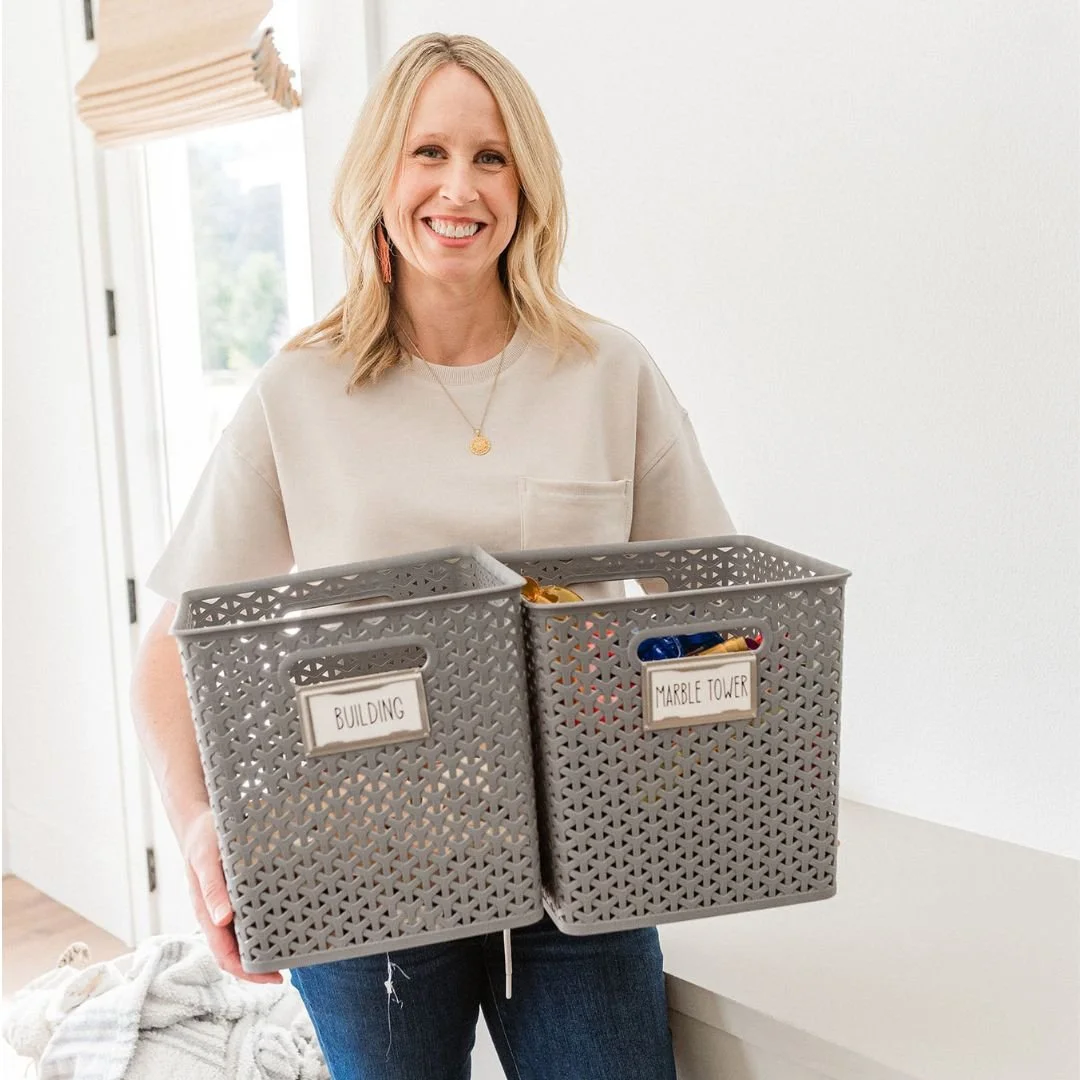
I'm Sarah, an occupational therapist and home organizer with Balanced Home Organization in Portland, Oregon.
I specialize in helping neurodivergent adults and families create organizing systems that work with their brains.
I offer virtual organizing sessions available anywhere, and in-person sessions in the Portland metro area.